
New AI Tool Fixes Hidden Errors in DNA Research
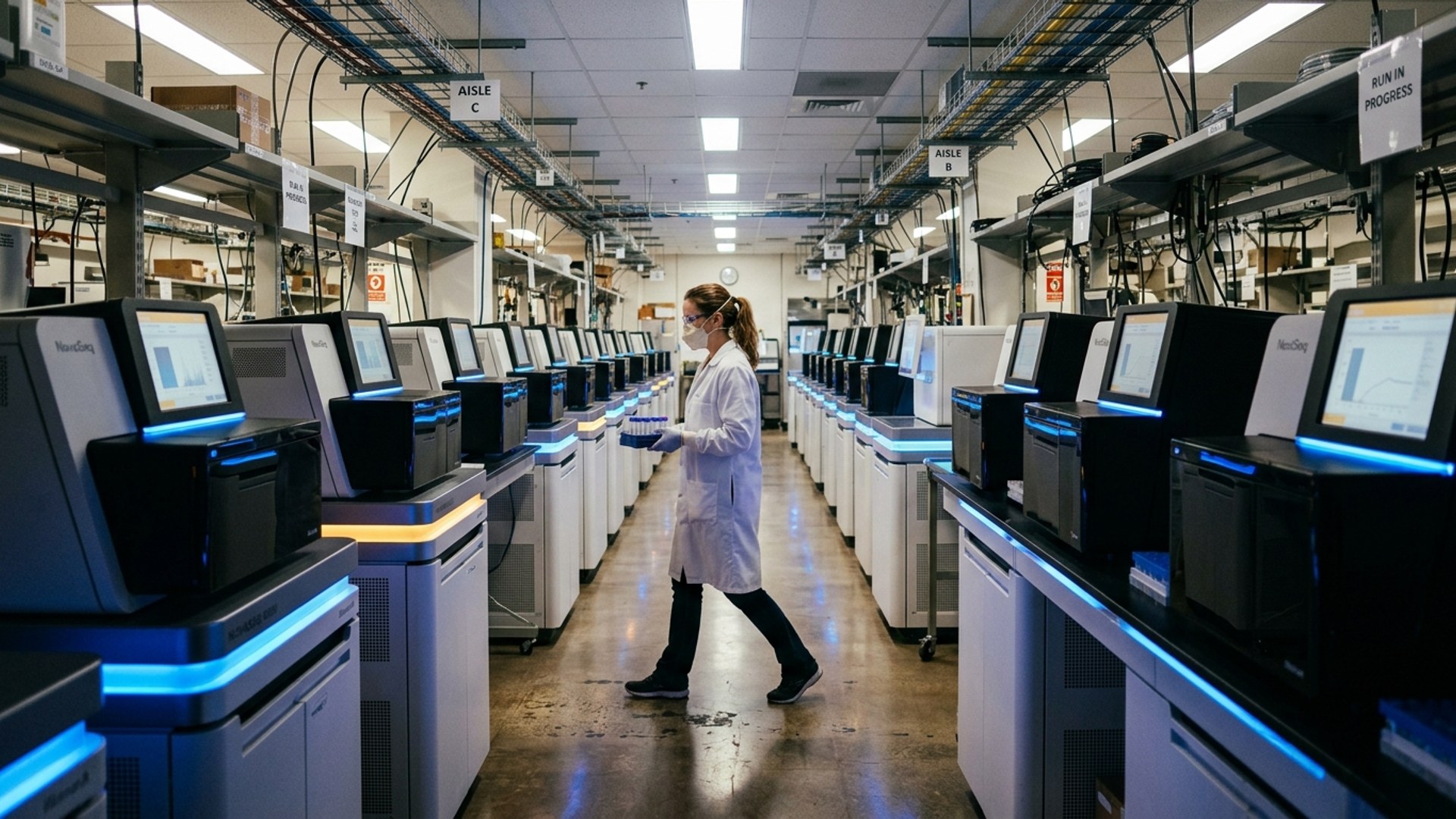
Deep learning models are great at predicting how DNA works. However, these models often learn from mistakes in the original lab experiments instead of the actual biology. This leads to inaccurate results that can confuse researchers.
The new tool, called PISA, acts like a filter for these computer models. It tracks how the AI processes every single letter of the genetic code. By doing this, it identifies and removes hidden biases that were skewing the data.
This method helps scientists trust their computer predictions much more. It makes it easier to understand the true function of our genes without worrying about errors from past experiments. The team published their findings in Nature Communications.
Comments (0)
No comments yet. Be the first!
More AI news
 News
NewsNew AI Tool Fixes Mistakes in Financial Research
Researchers developed a new framework to stop AI from learning from its own bad data in financial trading models.
 News
NewsPerplexity adds local AI to Mac apps
The new update lets your Mac handle some AI tasks directly on your computer.
 News
NewsMeta Releases Muse Image Model on Fal
Meta has launched a new AI model on the Fal platform that plans and edits images on its own.